
By Jim Carls
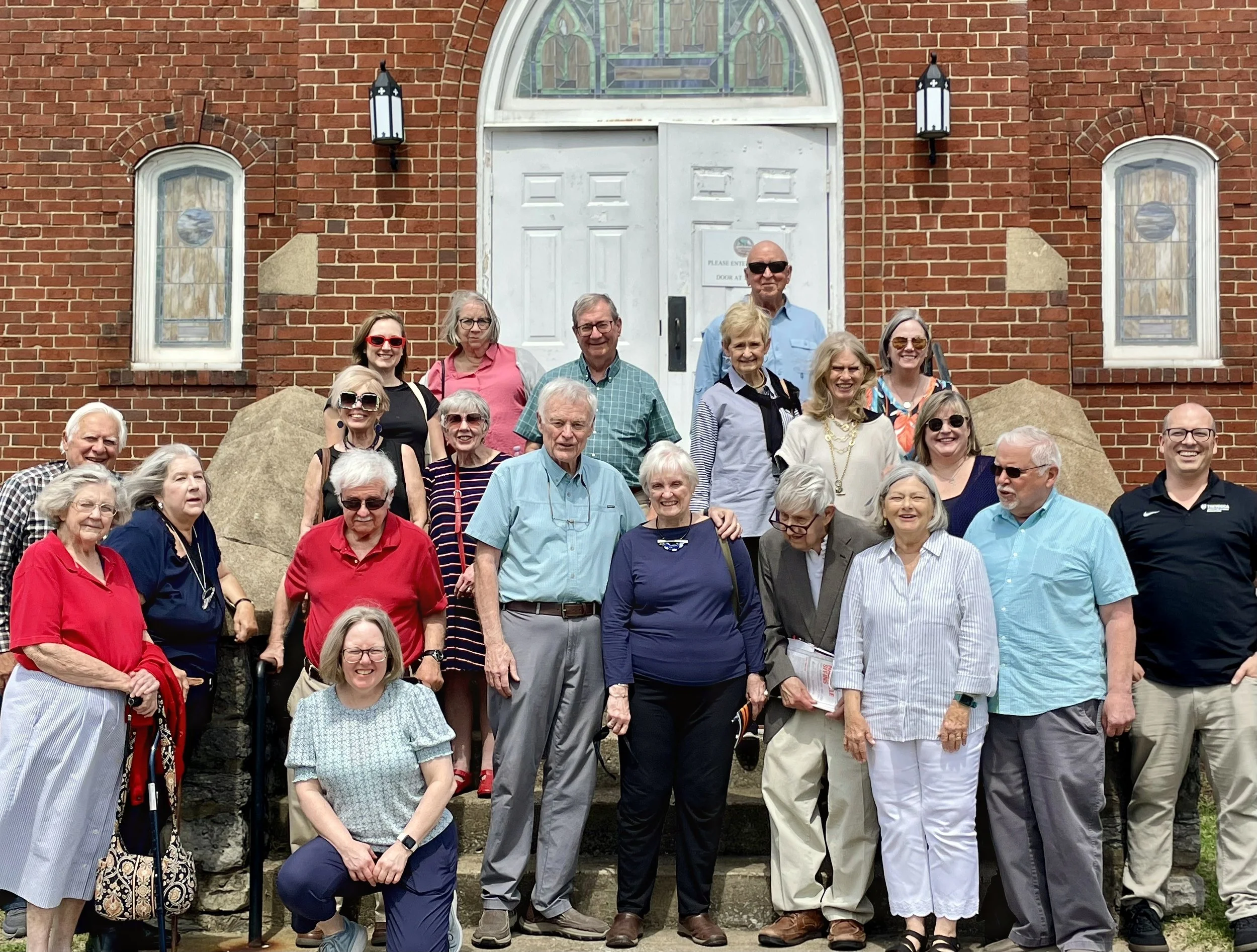
On Saturday, May 16th, a group from Vine Street enjoyed an expertly conducted tour of important sites from the local Civil Rights movement, along with some serendipitous testimony from an unexpected source. Our intern Christy Brown organized the tour, with two dozen attendees joining.
Our group met near Fisk University at Clark Memorial United Methodist Church to board vans. Trevecca Nazarene University’s Associate Dean, Zack Church, explained the significance of each site we passed. Names such as Z. Alexander Looby and James Lawson—names that many Nashvillians only know from passing a building honoring them—suddenly gained new meaning. These were the people who endured abuse at lunch counters, jail, and even bombings to carry out a campaign of deliberate nonviolence to secure equal rights.
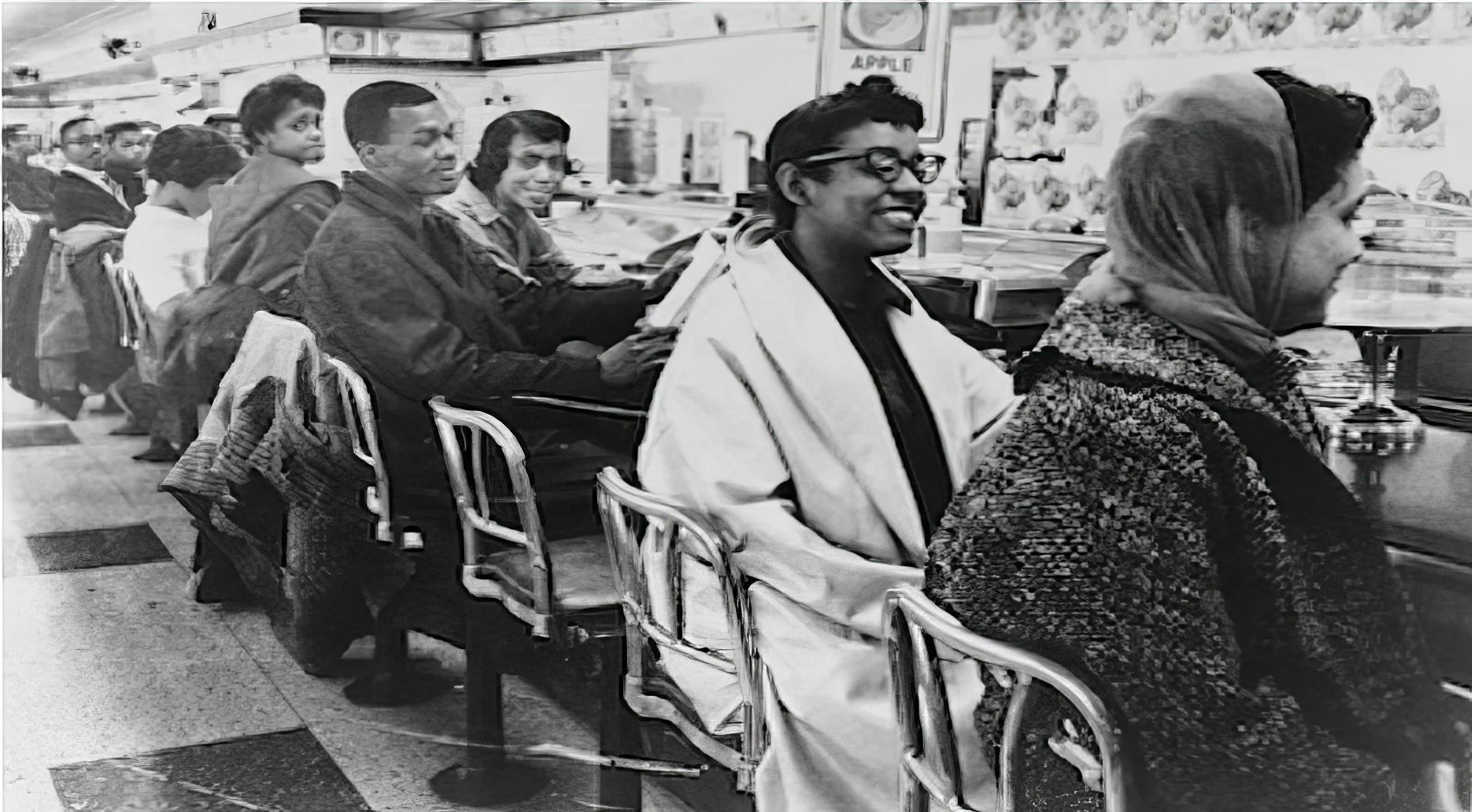
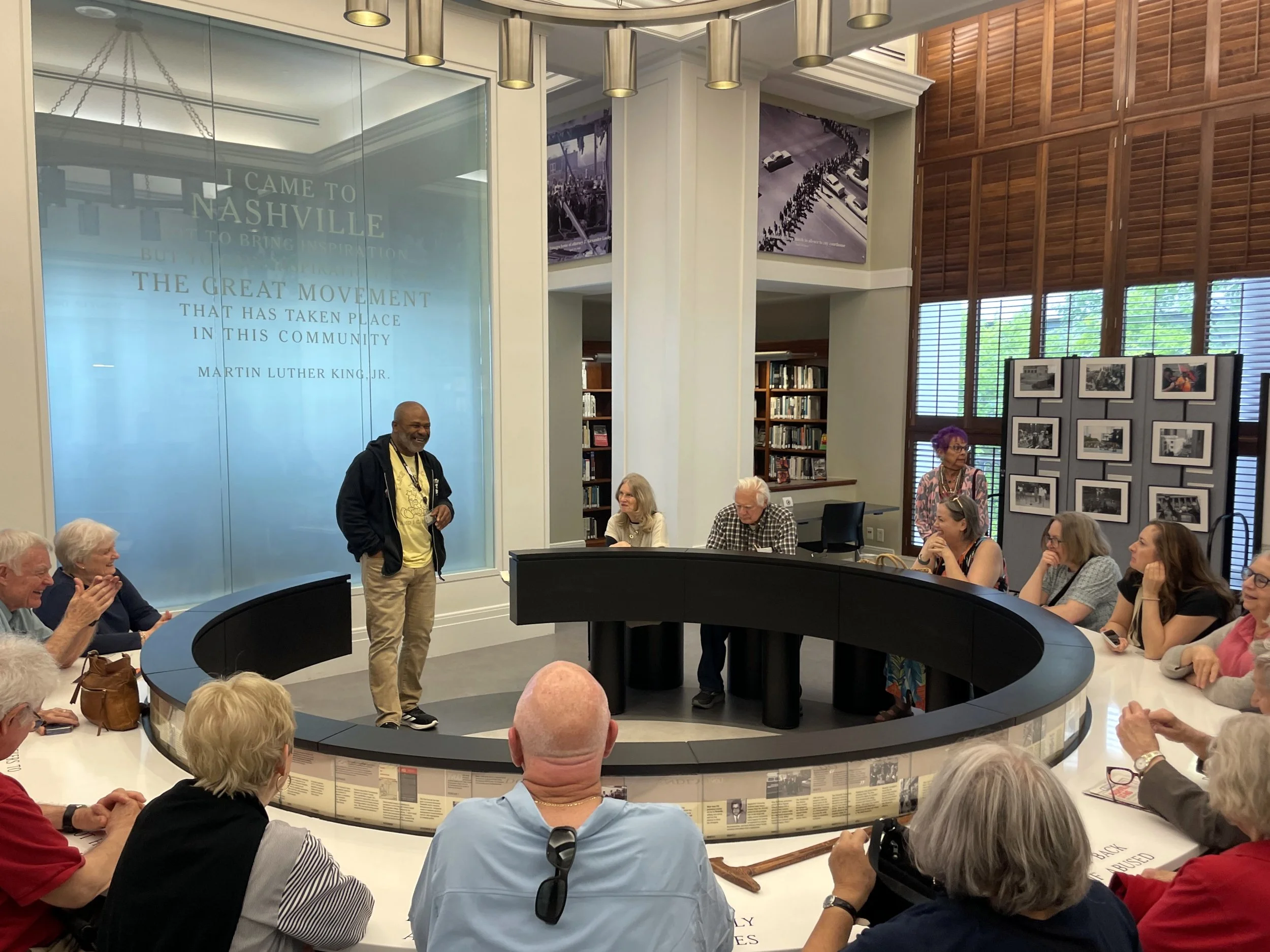
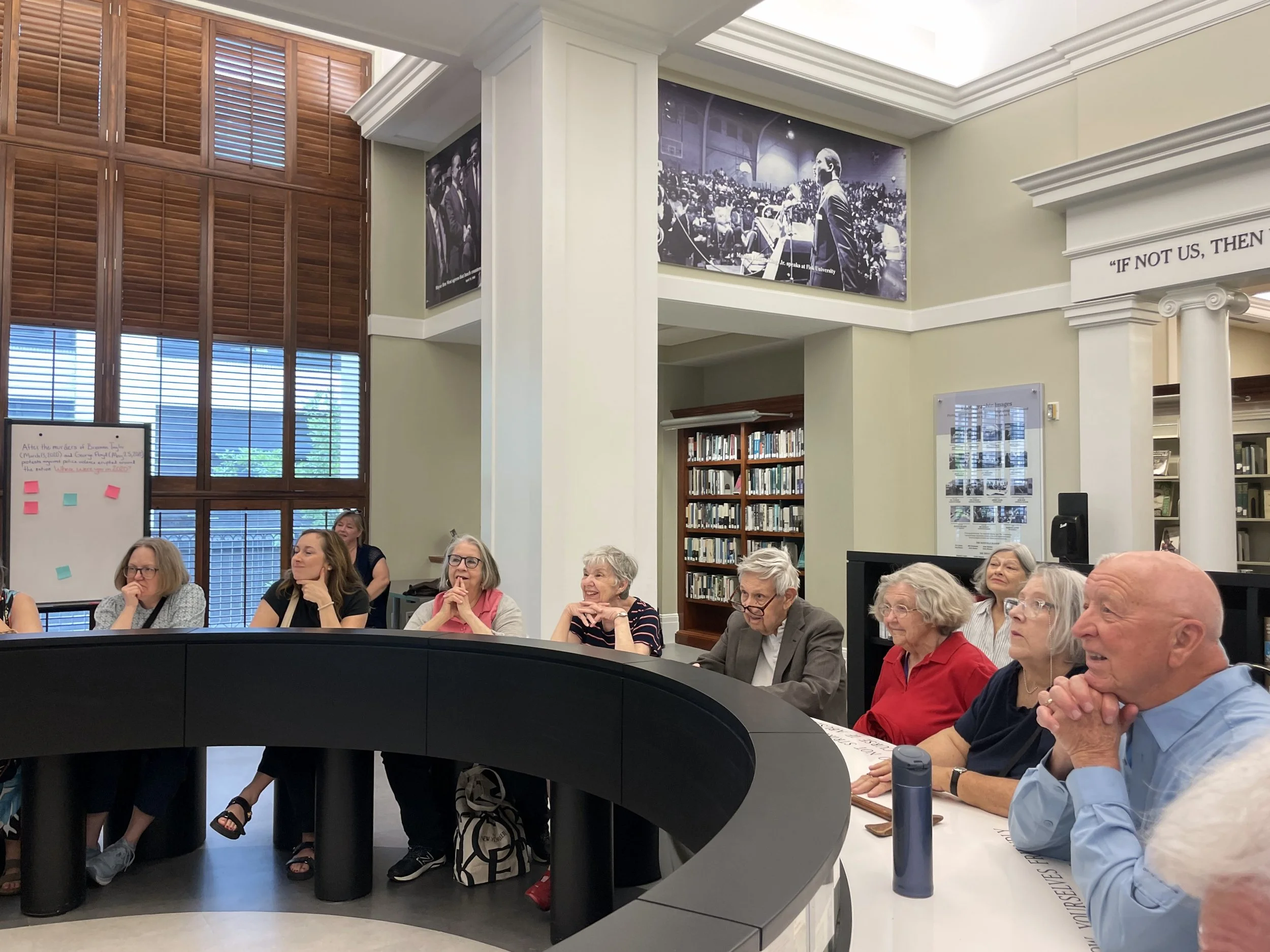
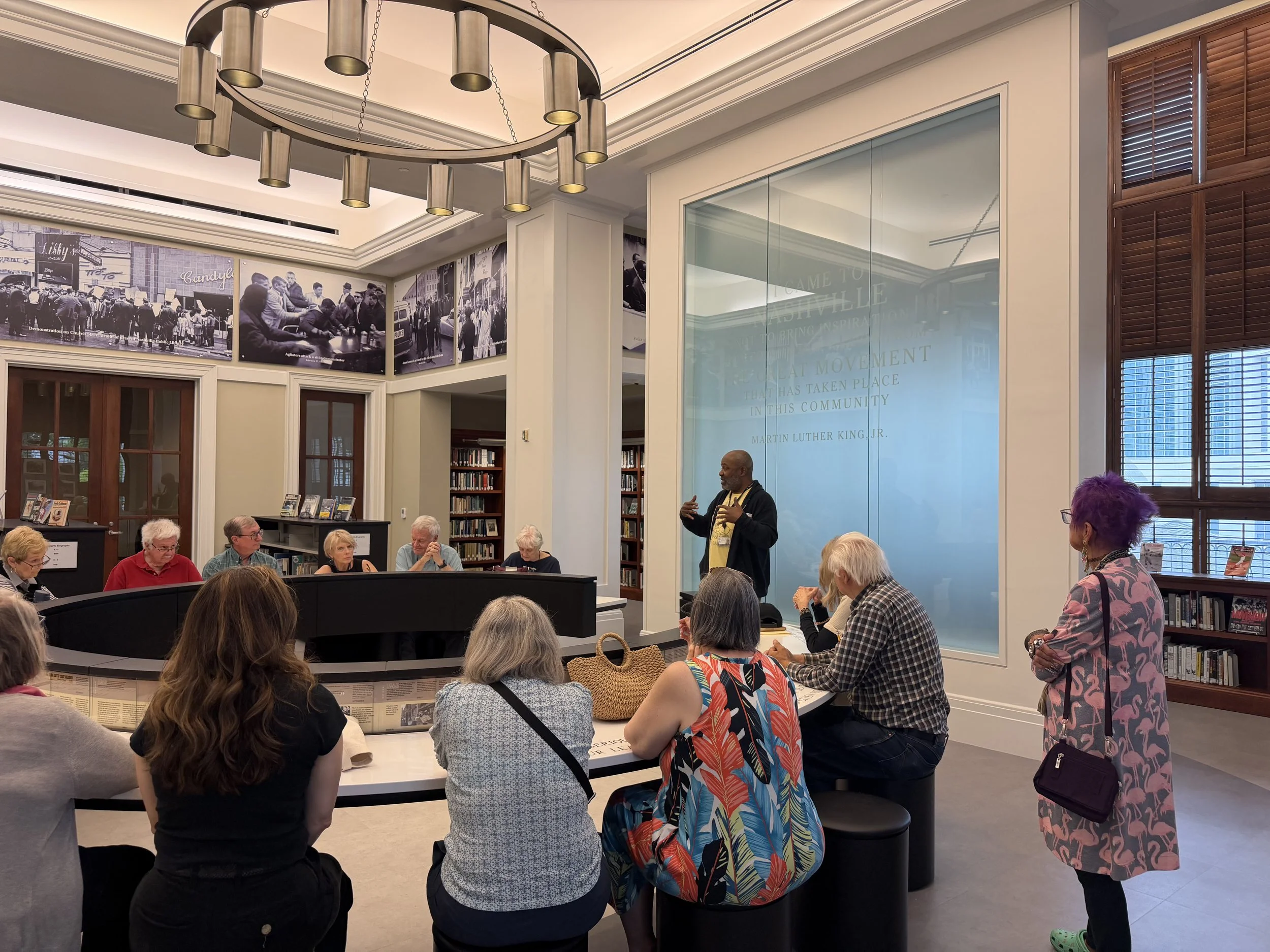
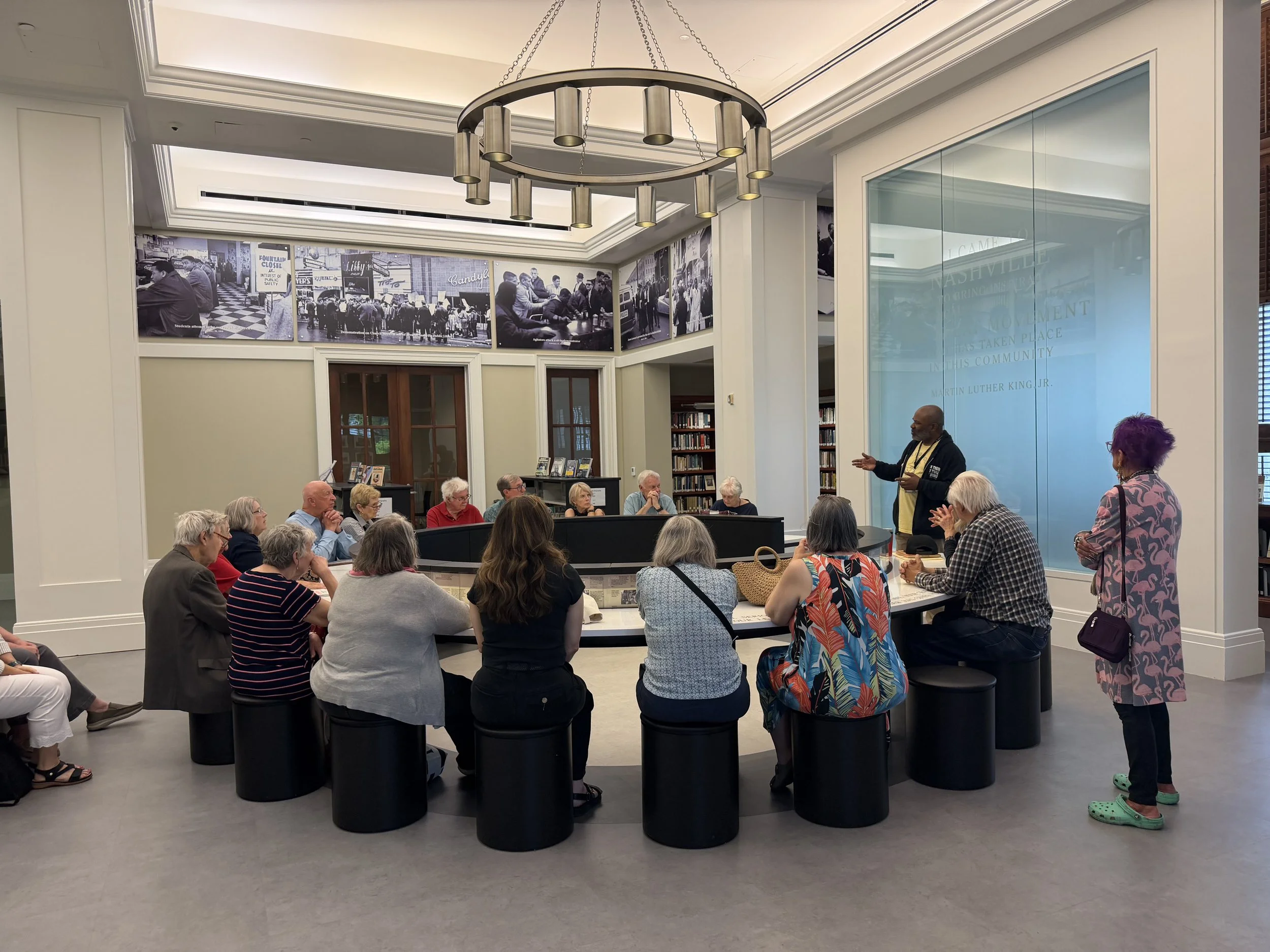
The van tour ended in the Civil Rights Room at Nashville’s impressive downtown library, where curator Elliott Robinson conducted an in-depth discussion of the lunch counter project and the strict rules of conduct the participants followed to maintain the high moral ground. Robinson carried the group through all the events that ended business segregation in Nashville, including the silent march in which Fisk University’s Diane Nash confronted Mayor Ben West with a single question: was it “wrong to discriminate against a person solely on the basis of their race or color?” West could only give one answer to the question. Within days, business desegregation became a reality in Nashville.
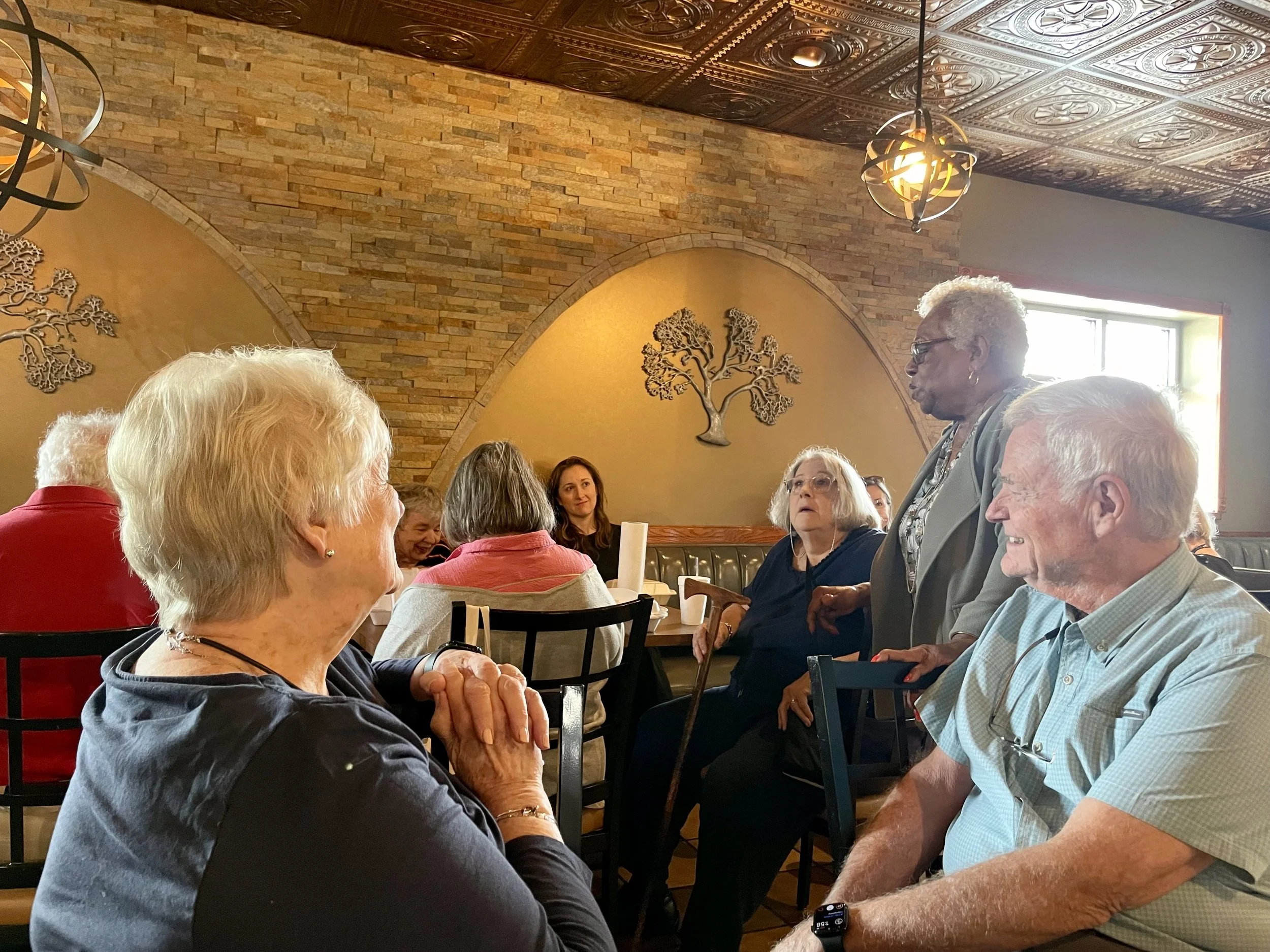
The next stop for the tour was The Kingdom Café and Grill on Jefferson Street, the street where the segregation-ending march began. At the end of an enjoyable lunch from their buffet and conversation, we were treated to a very unexpected guest: Pat Cole recognized a woman passing our tables, who turned out to be Novella Page, one of the very people who endured the 1960s lunch counter sit-ins. Ms. Page took a few minutes (from her intended bridge game over lunch) to witness to the group, adding even more weight to the presentation we saw at the library.
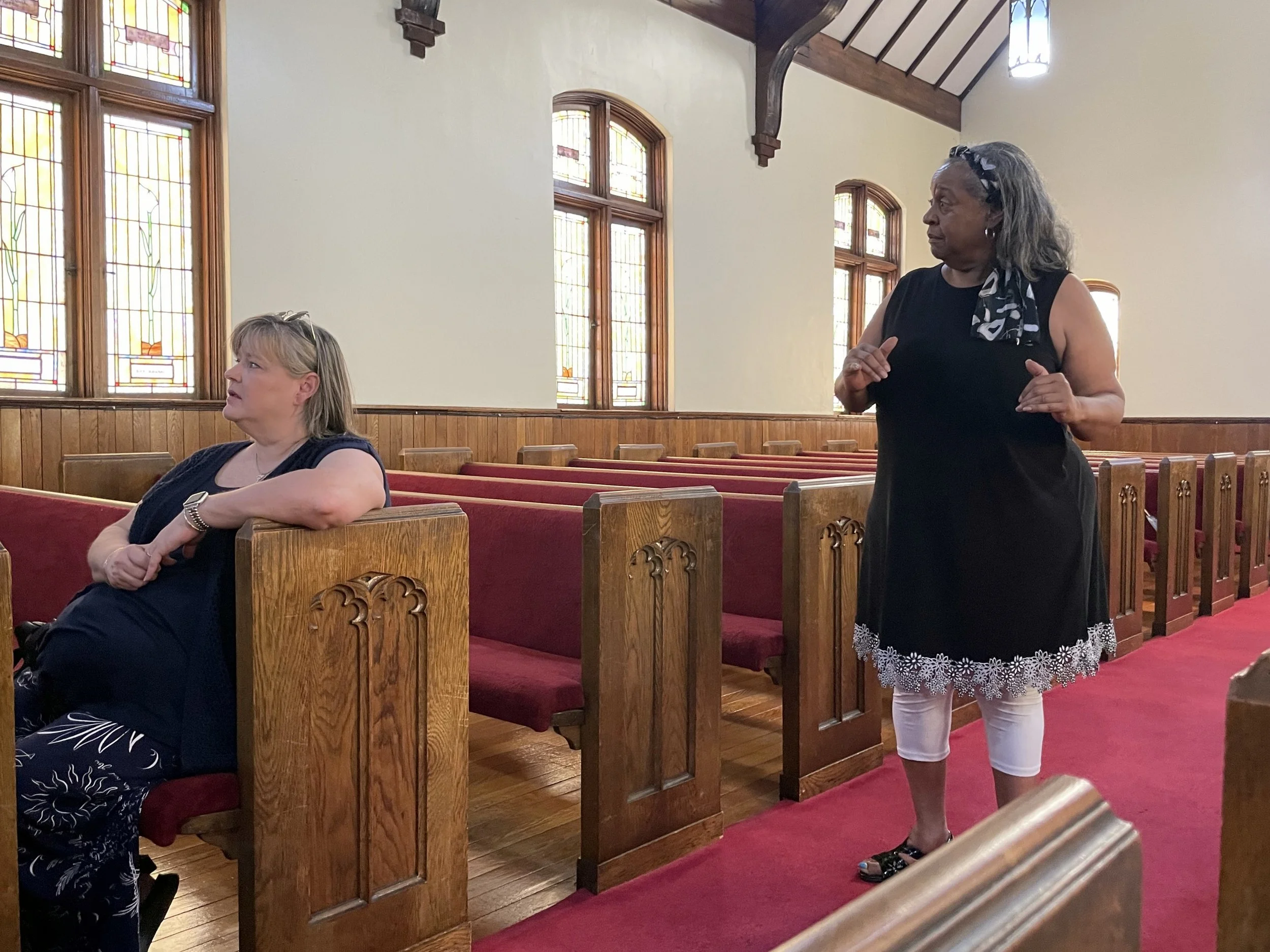
The final stop was a return to Clark Memorial UMC, where historian Davita Chavis Fielder presented its history as a major training center for the non-violent justice movement. Participants had to use a basement hatchway to gain entrance, lest unfriendly people notice the activity. This church’s influence on the movement was substantial.
If you haven’t taken advantage of one of Vine Street’s civil rights tours, you won’t regret taking the next opportunity.